What Is Myopia?
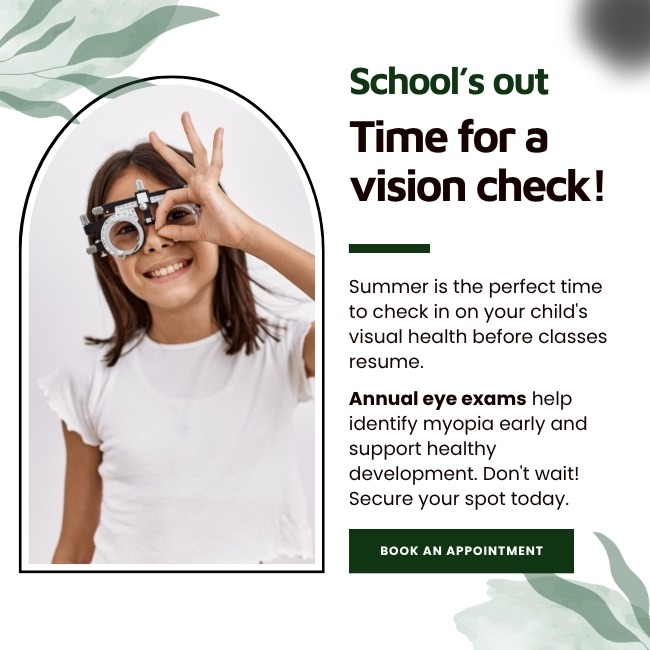
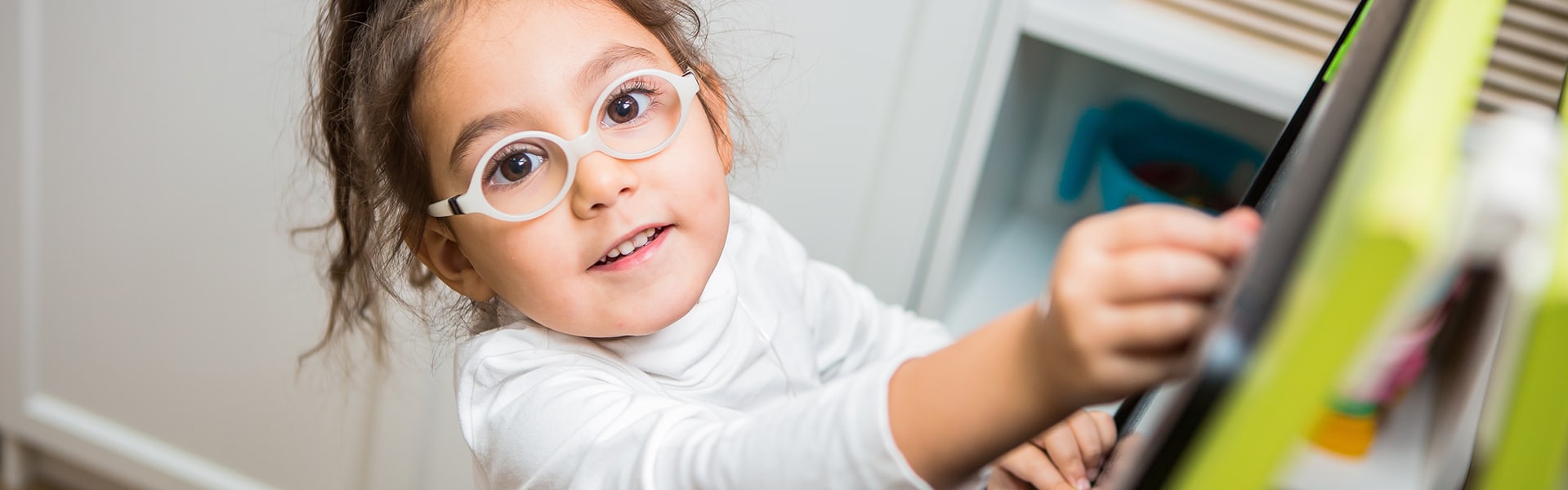
Myopia (nearsightedness) can affect your child’s distance vision, leading to problems that could have long-term effects on their quality of life or even eye health.
Children with myopia may not know their vision is changing or be unsure how to express it. At Central Eyes Optometry, we can assess these changes through a comprehensive eye exam and offer strategies that correct their vision beyond the abilities of common lens prescriptions.
We’re ready to help slow your child’s myopia progression. Request an appointment today to learn more about your child’s options for controlling myopia.
Book OnlineComplications of Myopia
Myopia occurs when your child’s eyes grow to be too long, or the corneas grow too steep.
It typically affects the clarity of your child’s distance vision. However, myopia can progress over time, and high myopia can increase the risk of several eye concerns like cataracts, glaucoma, or retinal detachment.
A personalized myopia management strategy can help mitigate these concerns, preserving your child’s vision and eye health.
Our Diagnostic Technology
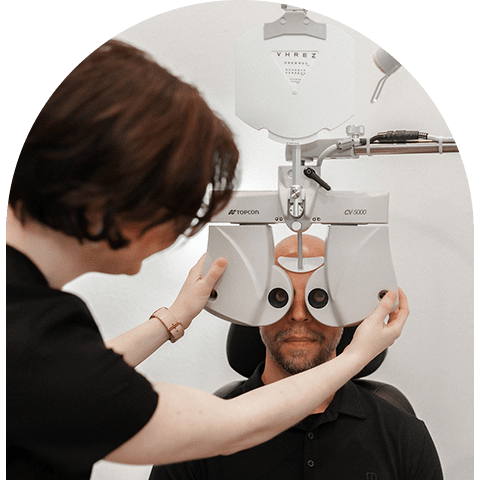
Something we pride ourselves on at Central Eyes Optometry is our commitment to staying current with eye care innovations. As part of this commitment, we use a variety of technology to diagnose and monitor myopia.
Axial length measurements and corneal topography can help us diagnose myopia in your child. These techniques not only help us detect myopia early, but they also help us recommend a strategy suited to your child’s needs.
Axial Length Measurement
Axial length is the length of your child’s eye from front to back. Eye elongation is a common characteristic of myopia, and continued elongation is a sign of myopia progression.
Measuring axial length can help us detect changes in your child’s vision—sometimes more effectively than checking their lens prescription.
Corneal Topography
Because myopia can also occur with changes to your child’s cornea, corneal topography allows us to monitor these changes and how they may affect their sight.
Corneal topography can also help us detect sights of astigmatism or keratoconus. It’s also particularly useful for fitting contact lenses.
Our Myopia Management Methods
Myopia can affect anyone. It generally first occurs between age 6 and 14, and can progress until age 20. Children with parents who have myopia may also have an increased risk of developing it themselves.
If we determine your child is developing myopia during their routine eye exam, we’ll go through our myopia management program with you and your child, detailing what to expect, the strategies we may recommend, and how it can support your child’s vision and eye health.
Ortho-K Lenses
Orthokeratology (ortho-k) lenses are custom-fitted, gas-permeable contact lenses that are worn overnight to gently reshape the surface of the cornea while your child sleeps. When the lenses are removed in the morning, your child can enjoy clear vision throughout the day without needing glasses or contact lenses.
In addition to providing daytime vision correction, ortho-k lenses can help slow the progression of myopia by changing how light focuses on the peripheral retina. This sends signals that may reduce excessive eye growth, one of the primary causes of worsening myopia.
Ortho-k can be an excellent option for active children who participate in sports or other activities where glasses or daytime contact lenses may be inconvenient. Regular follow-up visits allow us to monitor your child’s eye health, vision, and treatment progress over time.
Stellest Lenses
Essilor Stellest lenses are innovative eyeglass lenses designed to both correct vision and help slow the progression of myopia in children. Unlike traditional single vision lenses, Stellest lenses feature a specialized design that creates a volume of myopic defocus around the retina while maintaining clear central vision.
This unique optical technology helps influence how the eye grows over time, which may reduce the rate at which myopia progresses. Because Stellest lenses look and feel like regular eyeglasses, children can wear them comfortably throughout their daily activities without changing their routine.
Clinical studies have shown that children wearing Stellest lenses experienced significantly slower myopia progression compared to those wearing standard single vision lenses. During your child’s eye exam, we’ll determine whether Stellest lenses are the right option based on their age, prescription, eye health, and rate of myopia progression.
MiSight 1 Day Contacts
MiSight 1 Day contacts are daily disposable soft contact lenses specifically designed to correct vision while helping slow the progression of myopia in children. Using specialized optics, the lenses provide clear central vision while creating treatment zones that help signal the eye to slow excessive elongation.
Because MiSight lenses are replaced every day, there’s no need for cleaning solutions or overnight storage, making them a convenient option for many families. Daily disposable lenses can also support good contact lens hygiene and comfort.
Clinical studies have shown that MiSight 1 day lenses can significantly reduce myopia progression in children over several years of treatment. Our optometrist will assess whether your child is a good candidate and monitor their vision regularly to help ensure the best possible results.
Take the Myopia Quiz
Book an Appointment
Your child’s eye health is important. We want to help protect their lifetime vision by slowing their myopia progression. Schedule an appointment with us today to learn more.
Book OnlineOur Location
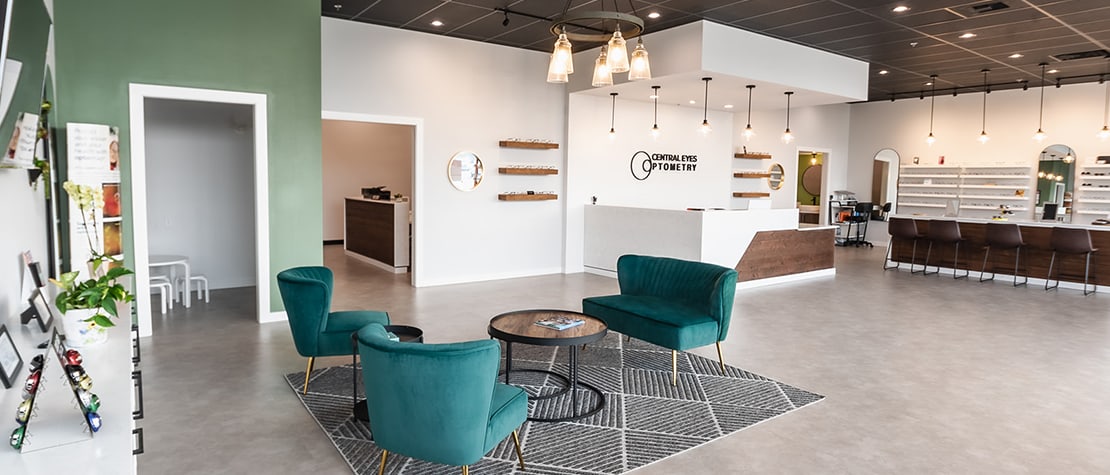
Our Address
- 1891 NE 7th Street
- Grants Pass, OR 97526
Contact Information
- Phone: 541-237-0030
- Email: office@CentralEyesOptometry.com
Our Hours
Hours
- Monday: 9:00 AM – 6:00 PM
- Tuesday: 9:00 AM – 6:00 PM
- Wednesday: 9:00 AM – 6:00 PM
- Thursday: 9:00 AM – 6:00 PM
- Friday: Closed
- Saturday: Closed
- Sunday: Closed


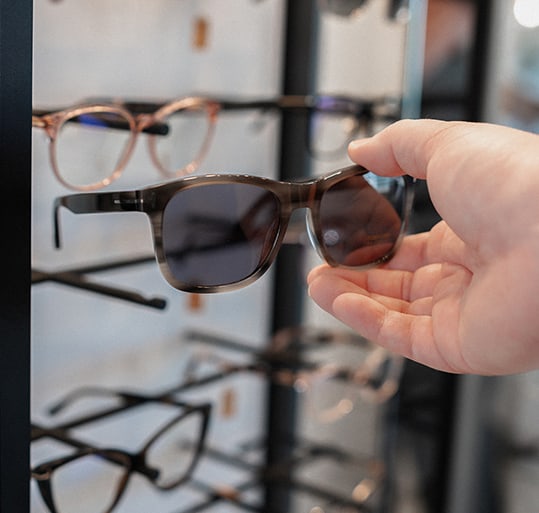
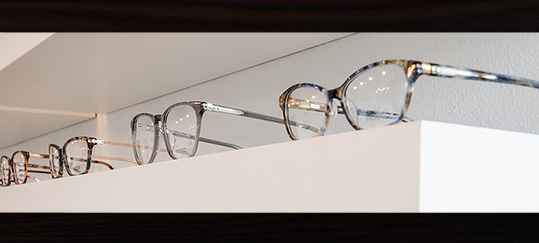
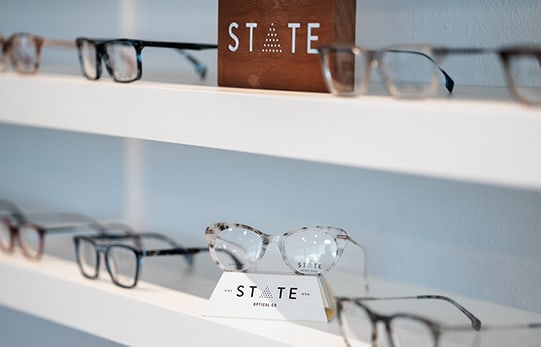
Our Brands




Our Google Reviews
Our Blogs
Children’s Eye Exams: What to Expect at Every Age
Eye Exams, MyopiaIs your child due for an eye exam? Discover what to expect at every age with Central Eyes Optometry, your trusted eye doctors in Grants Pass. […]
Is Myopia Genetic and Does It Get Worse With Age?
MyopiaIs myopia genetic? Wondering if it gets worse with age? Learn what shapes your vision with the eye doctors in Grants Pass at Central Eyes Optometry. […]
RF and IPL for Ocular Rosacea: What’s the Difference?
RosaceaStruggling with ocular rosacea? Discover how IPL and RF treatments can help with our eye doctors in Grants Pass, Oregon, at Central Eyes Optometry. […]
Children’s Eye Exams: What to Expect at Every Age

Is your child due for an eye exam? Discover what to expect at every age with Central Eyes Optometry, your trusted eye doctors in Grants Pass. […]
Is Myopia Genetic and Does It Get Worse With Age?

Is myopia genetic? Wondering if it gets worse with age? Learn what shapes your vision with the eye doctors in Grants Pass at Central Eyes Optometry. […]
RF and IPL for Ocular Rosacea: What’s the Difference?
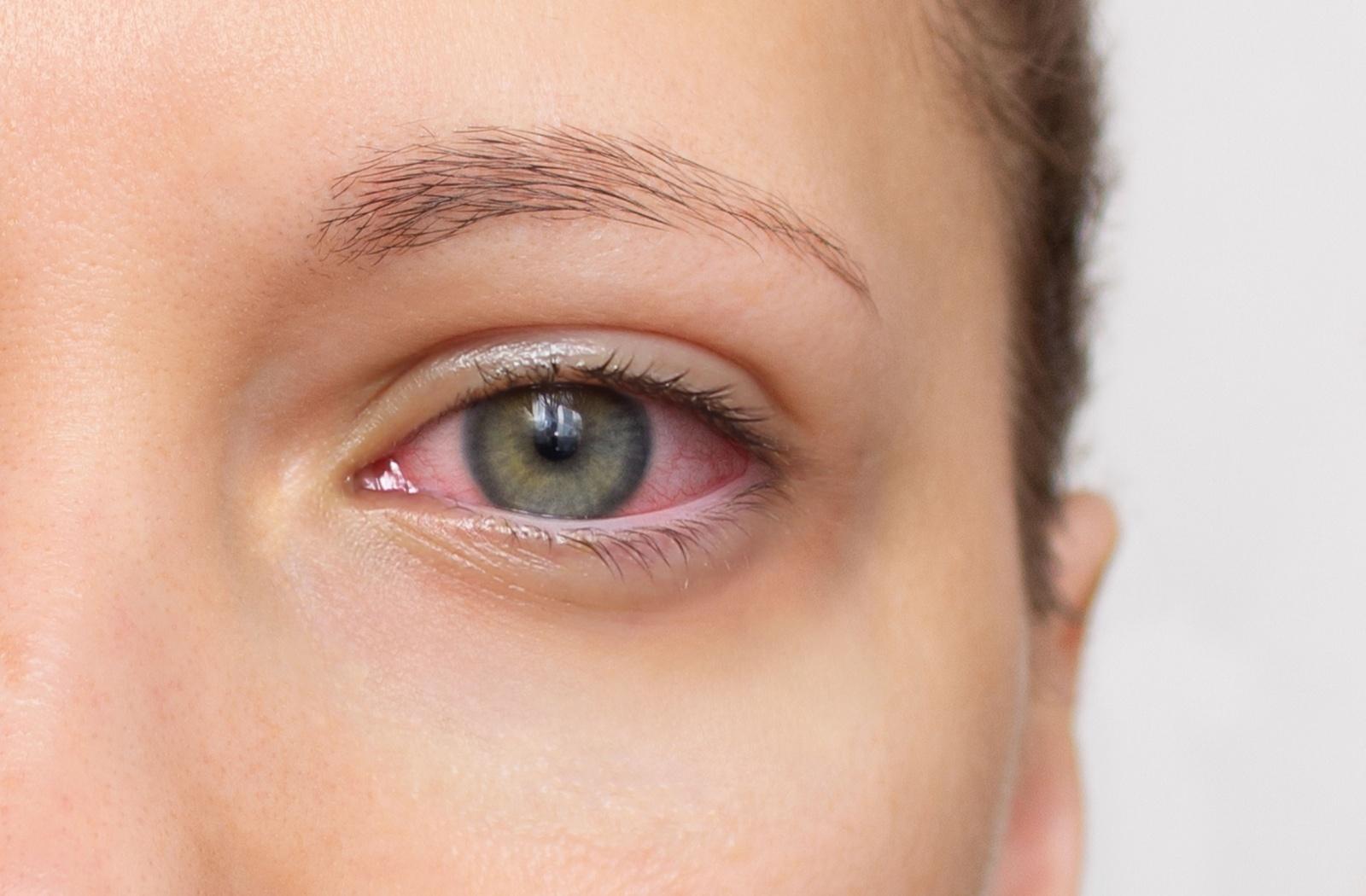
Struggling with ocular rosacea? Discover how IPL and RF treatments can help with our eye doctors in Grants Pass, Oregon, at Central Eyes Optometry. […]


-
Central Eyes Optometry
- 1891 NE 7th Street
- Grants Pass, OR 97526
-
P: 541-237-0030
office@CentralEyesOptometry.com