
When redness and discomfort keep returning despite your best efforts, you might be dealing with something more specific than typical dryness. Maybe your eyelids look puffy in the morning, or your vision gets a little blurry throughout the day. If this sounds familiar, ocular rosacea could be what’s going on.
Ocular rosacea is a chronic eye condition linked to skin rosacea, and it can show up with or without the facial redness most people recognize. The good news is that it’s manageable, and there are real, effective options available to help you find relief and protect your long-term vision.
What Is Ocular Rosacea?
Ocular rosacea is an ongoing inflammation that affects the eyes and eyelids. It’s connected to rosacea, a skin condition that often causes facial flushing and redness, but you don’t have to have skin rosacea to experience the eye version. It most commonly affects adults between the ages of 30 and 50, though it can develop at any stage of adulthood.
Because the symptoms can look a lot like other eye conditions, it often goes unrecognized for a while. That’s why knowing what to watch for makes a big difference in getting the right care sooner.
Common Ocular Rosacea Symptoms
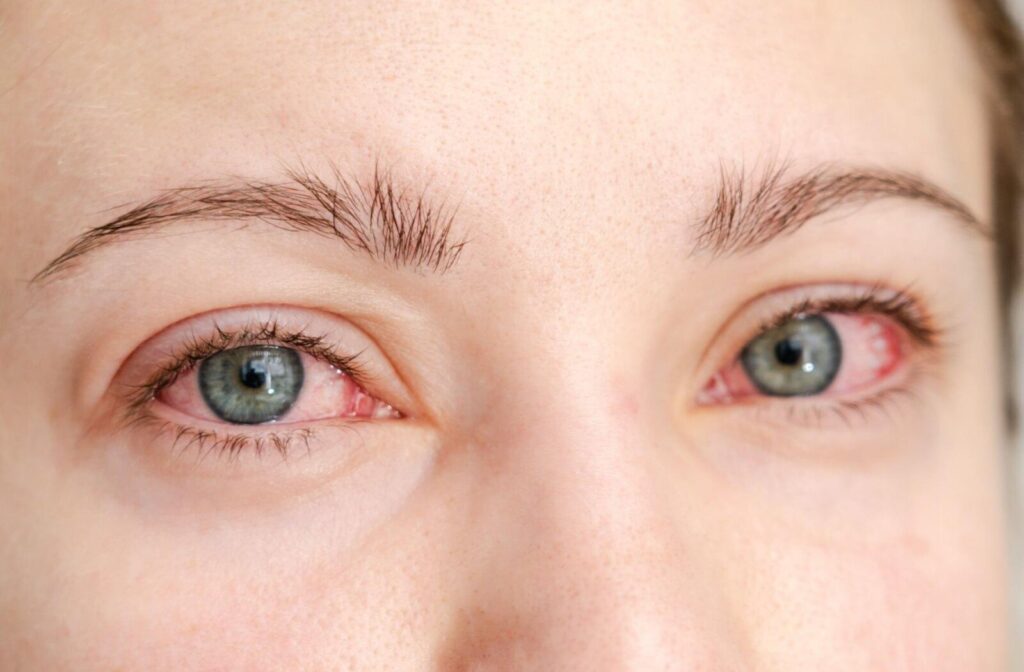
The most common signs show up in how your eyes feel day to day. You might notice a burning or itching sensation that doesn’t seem to have an obvious cause. Your eyes may feel gritty, or they might water excessively.
Watch for these common physical symptoms:
- Red, burning, or scratchy eyes
- Dry, gritty, or watery eyes
- Blurred vision or light sensitivity
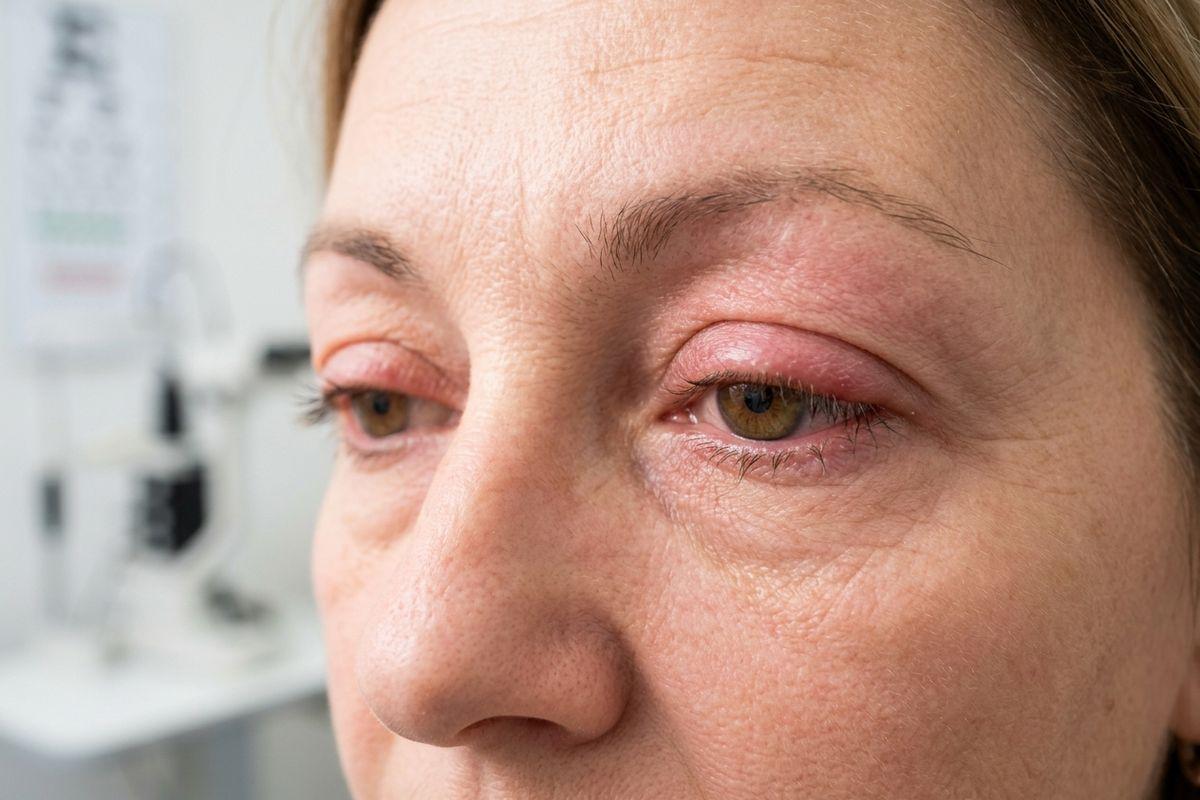
Sometimes the signs are physically apparent when you look in the mirror. You may wake up with swollen eyelids. Tiny blood vessels might also become visible on the whites of your eyes.
Look out for these physical changes:
- Swollen or red eyelids
- Visible blood vessels on the whites of the eyes
- Recurring styes or eyelid infections
If any of these signs sound familiar, a comprehensive eye exam can help identify what’s going on and point you toward the right next steps.
What Leads to Ocular Rosacea Flare-Ups
Certain things can make symptoms worse or bring them on more intensely. Spending time in the sun, dealing with wind, or moving between very hot and cold environments are common factors. Your diet and stress levels also play a role.
Pay attention to these common triggers:
- Sun exposure, wind, or extreme temperatures
- Spicy foods, alcohol, or hot beverages
- Stress or intense exercise
Tracking when your symptoms flare up can help you and your eye doctor identify patterns and find the right plan to manage them. Avoid your triggers and help keep your eyes feeling their best.
Ocular Rosacea Treatments and Relief Options
Find the right management plan and make a noticeable difference in your daily life. Your optometrist can recommend a few different approaches based on your specific needs.
Targeted Relief with IPL OptiLight
IPL OptiLight uses intense pulsed light to target the small blood vessels around the eyelids that contribute to inflammation. It also helps improve the function of the meibomian glands, which are responsible for producing the oily layer of your tears. When those glands work better, your tear film stays more stable, and dry eye symptoms can improve noticeably.
One of the things that makes IPL OptiLight a popular choice is how accessible it is. There’s no anesthesia, no incisions, and no downtime needed. The treatment works across many skin types and tones, so it’s an option for a wide range of people looking for real relief.
Everyday Eye Care Habits
Alongside professional treatment, a few daily habits can go a long way toward keeping symptoms more comfortable. Often, you want to focus on soothing inflammation or clearing blockages in your eye glands. As always, prevention is easier than a cure, so be proactive.
Try incorporating these daily habits:
- Use warm compresses and clean your eyelids gently each day
- Apply preservative-free artificial tears for added comfort
- Wear UV-protective sunglasses to reduce exposure to the elements
Additional Treatment Approaches
For some people, a more layered approach works best. Prescription eye drops can help bring inflammation under control, and nutritional supplements are often recommended to support a healthier tear film over time. In moderate to severe cases, oral medications may also be part of the conversation.
The right combination of treatments depends on your specific symptoms and how your eyes respond. A personalized plan makes a huge difference in how well you’re able to manage the condition long term when compared to generic treatment.
Find Lasting Comfort for Your Eyes
Living with ongoing eye discomfort doesn’t have to be the norm. Our team at Central Eyes Optometry works with you to understand your symptoms and build a care plan that fits your life. With access to IPL OptiLight and a range of other approaches, there are real options to help you feel more comfortable and protect your vision going forward.
Reach out to Central Eyes Optometry today to schedule an appointment and take the first step toward clearer, more comfortable eyes.