Key Takeaways
- School vision checkups are not the same as a full eye exam.
- The first eye exam should happen between 6 and 12 months of age.
- Kids often can’t tell you when something is wrong with their vision.
- Annual exams are recommended starting at school age.
- Signs like squinting, eye turning, or avoiding reading are worth checking out promptly.
Children Need Regular Eye Exams
Your child can tell you when they’re hungry, tired, or upset, but blurry vision? That’s a different story. Kids don’t always know that the way they see the world isn’t normal, so they often quietly struggle through reading, sports, and other everyday moments.
Regular eye exams help us monitor your child’s eyes at every stage of development, so that we can catch small concerns before they grow into bigger ones. Our team at Central Eyes Optometry is here to make your child’s experience comfortable, and perhaps even fun.
Why Kids’ Eye Exams Matter More Than You Think
So much of how children learn and grow depends on what they can see clearly. Reading a board at school, recognizing faces on a playground, and following a ball during practice all rely on clear, healthy vision. However, children often don’t have the experience to know that the way they see the world isn’t normal. Instead of complaining about their vision, they may start to fall behind in class, lose interest in books, or have trouble connecting with other kids.
That’s why routine eye exams matter. When vision concerns are caught early, we have more options to help address the situation effectively.
Eye Exam vs. Vision Checkup: What’s the Difference?
The quick vision check your child gets at school or at the pediatrician’s office serves a purpose, but it has real limits. These checkups are designed to flag obvious issues like nearsightedness, not to give you the full picture of your child’s eye health.
A comprehensive eye exam with your optometrist goes deeper. During these appointments, your eye doctor will check how well your child’s eyes focus, how well their eyes work together, and whether their eyes are healthy.
The Recommended Eye Exam Schedule by Age
Newborn to 12 Months
The first eye exam is recommended between 6 and 12 months of age. At this stage, your child’s optometrist checks how their eyes move, whether their eyes are aligned properly, and how early development is progressing. It’s a gentle, age-appropriate exam.
Ages 3 to 5
Preschool is a good time for the next exam. At this age, your child’s eye doctor will check visual acuity, depth perception, and color vision. This is also the point at which issues like lazy eye and crossed eyes tend to become more noticeable. Prompt care typically means more time to treat and manage potential problems.
Age 5 & Up
Once your child starts school, we recommend annual eye exams. Nearsightedness (myopia) is common in school-age children, and it often progresses as children grow. Keeping up with yearly exams helps your child’s optometrist monitor changes to their vision and adjust their care as needed. If nearsightedness does arise, our team can walk you through myopia management options that help slow its progression.
What Happens During a Child’s Eye Exam
For Babies & Toddlers
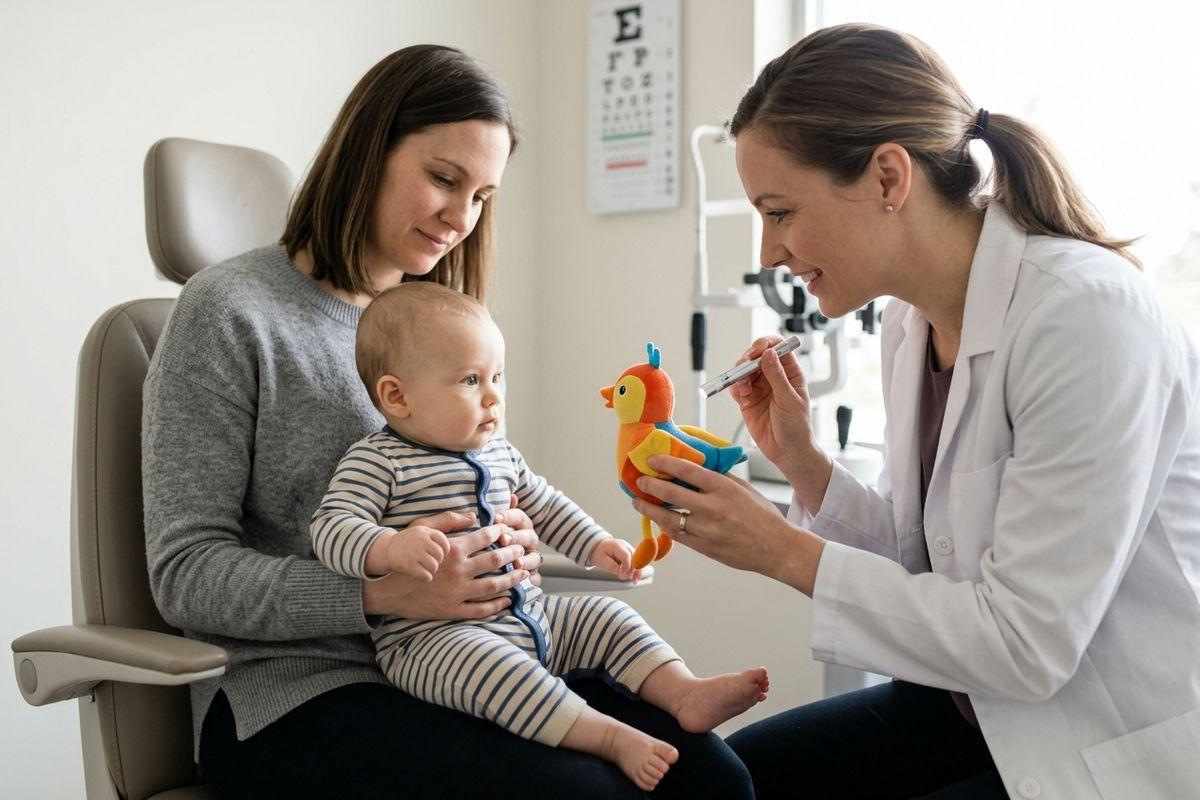
Young children don’t need to sit by themselves during an eye exam. In fact, your baby or toddler can sit on your lap throughout the process. The eye doctor uses a small light or a colorful toy to observe how well your child’s eyes track and respond. It’s a low-pressure experience for both of you.
For Preschool & School-Age Kids
Older children are typically asked to read charts with symbols or letters in order to measure their visual acuity. In some cases, an optometrist may use eye drops to widen the pupils for a more thorough look at the inside of the eye. These drops can cause some temporary blurry vision, but that typically clears up within a few hours after the appointment.
Signs Your Child’s Eyes Need Prompt Attention
Signs to Watch for in Babies
- One or both eyes turning consistently inward or outward.
- Pupils that look unusual in color or size.
- Eyelids that appear red or crusted regularly.
- A strong reaction to normal levels of light.
Signs to Watch for in Older Kids
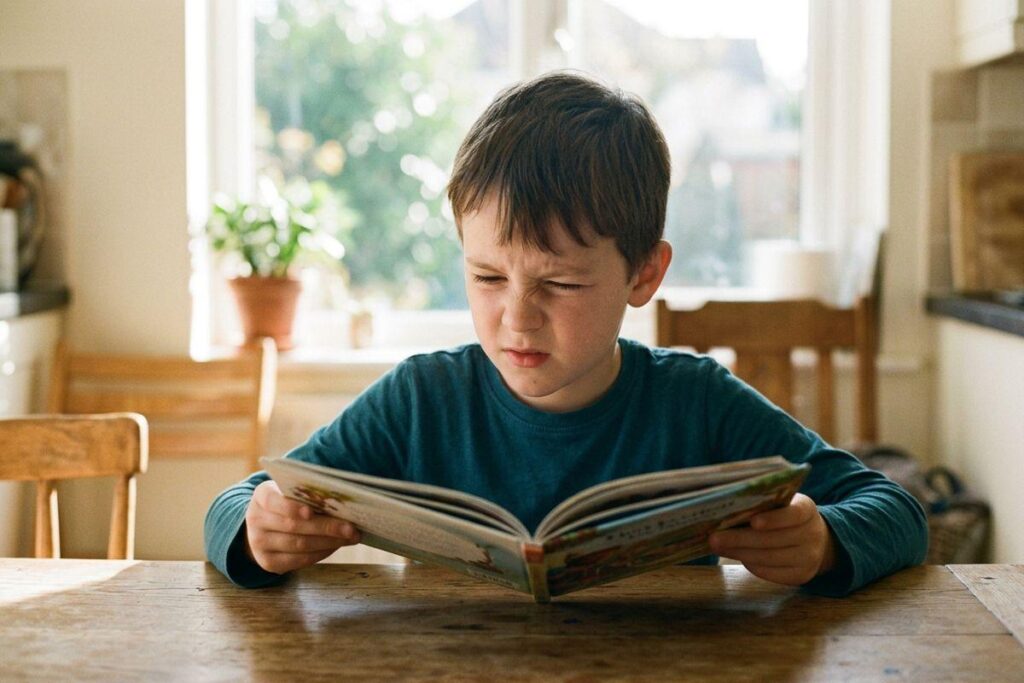
- Squinting or closing one eye to see clearly.
- Bringing books or screens very close to the face.
- Avoiding reading or other close-up tasks.
- Struggling to keep up in class or having a short attention span during visual tasks.
- Reading development that seems delayed for their age.
If any of these sound familiar, it’s worth scheduling an eye exam sooner rather than later. The earlier concerns are spotted, the more your optometrist can do to help.
At Central Eyes Optometry, our team works with children at every age to make eye exams comfortable and straightforward. Whether it’s your child’s very first visit or a yearly checkup, our eye doctors in Grants Pass are here to support your family’s eye health. Reach out today to schedule your child’s next exam.