
Key Takeaways
- Dry eye can appear suddenly due to environmental changes, screen habits, or shifts in your health or medications.
- Symptoms like grittiness, redness, and watery eyes may point to dry eye or a related condition.
- At-home strategies can offer short-term comfort, but persistent symptoms may need professional care.
- Our team can recommend treatment options tailored to what your eyes actually need.
One day your eyes feel fine, and the next they’re burning, watery, or scratchy without any obvious reason. It’s a frustrating experience, and it’s more common than you might think. Central Eyes Optometry sees this regularly, and dry eye doesn’t always develop gradually over years. Sometimes it shows up quickly, and something in your environment, routine, or health is usually behind it.
Dry eye can start suddenly when something disrupts the tear film that keeps your eyes comfortable, and pinpointing that change is the first step toward finding relief.
Common Signs Your Eyes Are Dry
Dry eye doesn’t always feel like dryness. That’s what makes it easy to miss. Your eyes might feel gritty, like something is stuck in them, or they may burn and feel scratchy all day. Some people notice their eyes water constantly, which sounds counterintuitive but is actually a common response to dryness. You may also notice:
- Redness or blurry vision that comes and goes.
- Stringy mucus around your eyes.
- Sensitivity to light.
If any of these feel familiar, dry eye could be the reason.
Everyday Factors That Can Lead to Sudden Dry Eye
Your Environment and Habits
Your surroundings play a bigger role in eye comfort than most people realize. Dry air from heating and cooling systems, exposure to wind, and secondhand smoke can all pull moisture away from your eyes faster than your tears can replace it.
Screen time is another quiet contributor. When you’re focused on a screen, you naturally blink less often, and fewer blinks mean less moisture spread across your eyes. Blinking plays a more important role in eye health than most people realize, and building awareness of it during long screen sessions can make a real difference. Contact lens wear can also affect the tear film, especially if you’re wearing them longer than recommended.
Health and Medication Changes
Your body’s internal changes can affect your eyes, too. Hormonal shifts, such as those that happen during menopause, can reduce tear production. Certain medications, including antihistamines, decongestants, and some blood pressure medications, can have a similar effect.
Conditions like diabetes and some autoimmune disorders are also associated with dry eye symptoms. If you’ve recently started a new medication or noticed changes in your overall health, that timing may be connected to what your eyes are feeling. Research on how aging affects the ocular surface shows that even gradual shifts in the body can have a real impact on tear film stability over time.
Other Potential Conditions
Not everything that feels like dry eye is dry eye. A few other conditions share similar symptoms and are worth considering:
- Seasonal or allergic reactions can make your eyes red, itchy, and watery.
- Clogged oil glands along your eyelids, known as meibomian glands, can affect the quality of your tears.
- Minor eye infections can also produce symptoms that look a lot like dry eye.
Because these conditions can overlap, getting a proper eye exam can help you understand what’s actually going on. Meibomian gland dysfunction in particular is a common and often overlooked contributor to dry eye symptoms that a thorough exam can help identify.
Dry Eye Treatment Options
At-Home Relief
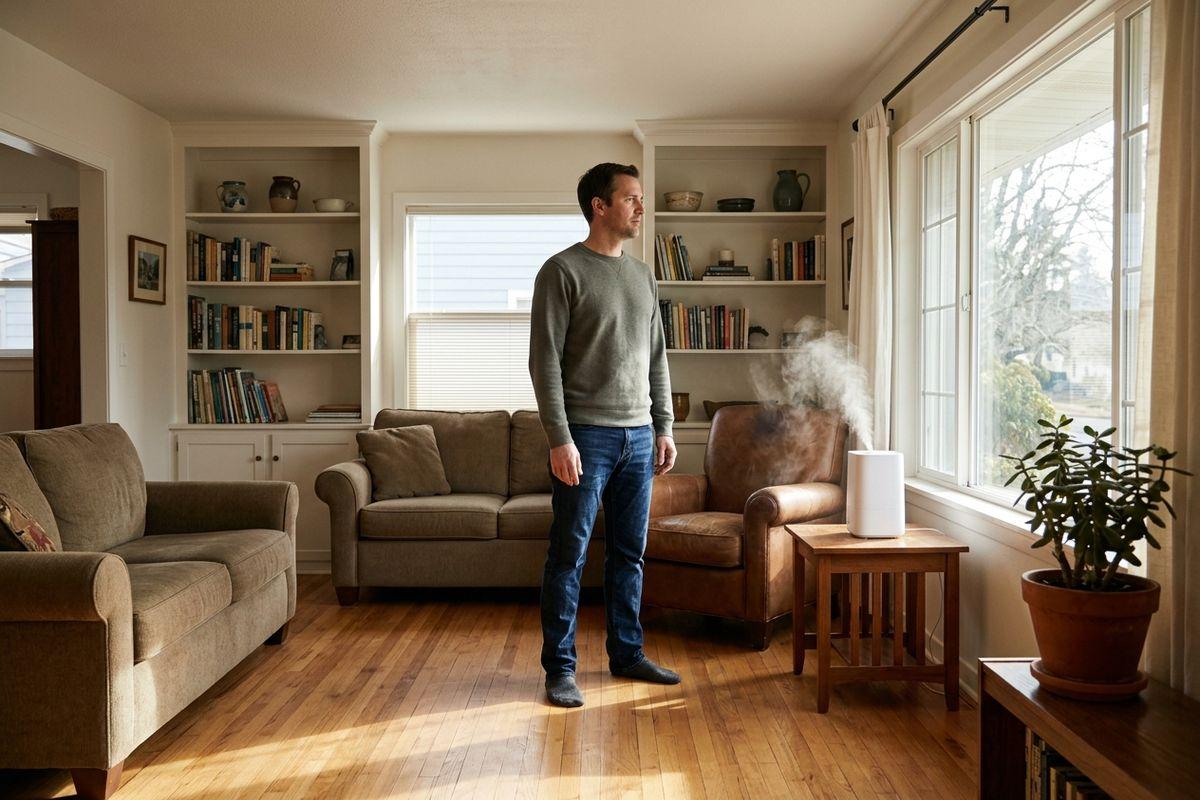
For mild or occasional symptoms, a few simple changes can make a noticeable difference. Preservative-free artificial tears are a good starting point since they tend to be gentler for daily use. Running a humidifier in dry indoor spaces can also help your eyes stay more comfortable, especially during the cooler months when heating systems run constantly.
If you spend a lot of time on screens, the 20-20-20 rule is worth building into your day. For every 20 minutes of screen use, look at something 20 feet away for 20 seconds. It’s a simple habit that gives your eyes a real break.
In-Office Care
When at-home options don’t provide enough relief, there are in-office treatments worth exploring. Prescription eye drops can help manage persistent symptoms more effectively than over-the-counter options for many people.
In-office procedures like meibomian gland expression can address clogged eyelid glands that affect tear quality. Light-based treatments are another option that some people find helpful for longer-term comfort. Our team can walk you through which options may be a good fit based on your specific situation.
Get the Support Your Eyes Deserve
At-home care has its limits. If your symptoms are severe, came on suddenly, or are making it hard to get through your day, it’s time to book an appointment.
Dry eye can be uncomfortable and disruptive, but you don’t have to figure it out on your own. Central Eyes Optometry is here to help you understand what’s going on with your eyes and find an approach that fits your life. Reach out to our team today to schedule your appointment and take the first step toward more comfortable vision.